
Not very long ago, I was asked, by a none photographer friend “what’s the difference between a phone camera and your camera?”
So. Let’s try and answer that question.
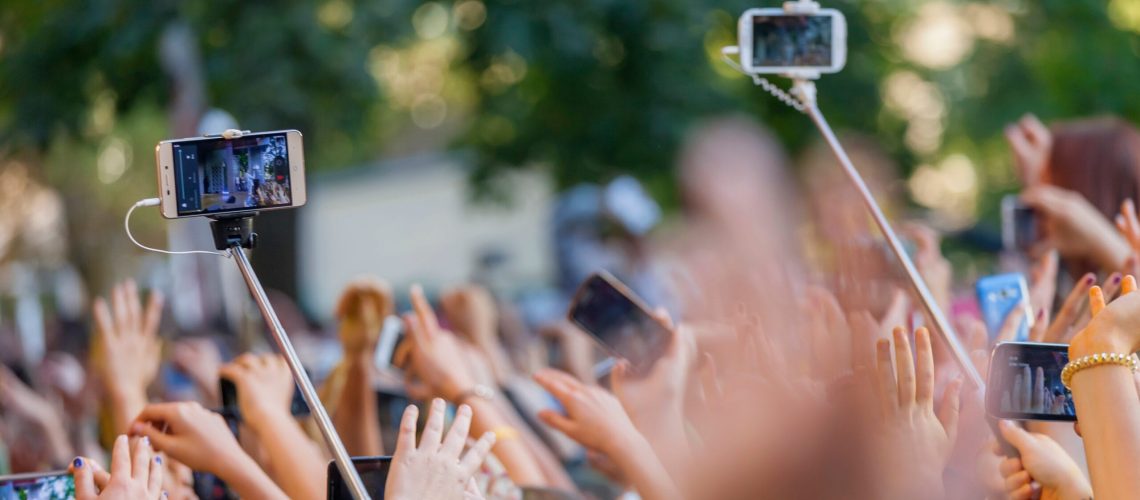
In today’s world, almost everyone has a camera in their pocket. Our smartphones have become incredibly capable tools for capturing life’s moments, so what’s the difference between these pocket powerhouses and a much larger & bulky, traditional style camera.
The most basic difference is the way they are each designed. Phones are essentially designed to be light and small, and to fit in your pocket. If they weren’t, nobody would carry them.
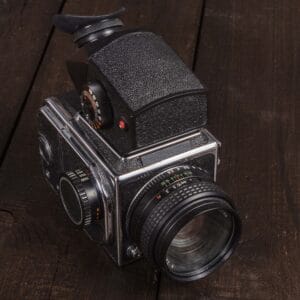
Pro’ grade cameras however, are designed with other features in mind. The most important of these being image quality and performance. Size and weight do play a significant factor, and it’s still a case of choosing the right camera for the job. A large, medium format camera would be more suited to studio work, where portability is less of an issue, but a smaller, lighter, SLR or mirrorless camera is far better for location work.
So, what are the main benefits of a phone camera?
Well, I’ve already touched on one thing and that’s portability and convenience. Hardly anybody ventures out without their phone, so chances are you’ve always got a camera with you. After all, the best camera is no good if you don’t have it with you.
Phone tend to have user friendly interfaces that often make them true “point and shoot” cameras and I dare say that most are used in this way. They have powerful processors and algorithms to enable what’s called “Computational photography” and optimise their setting for each scene.
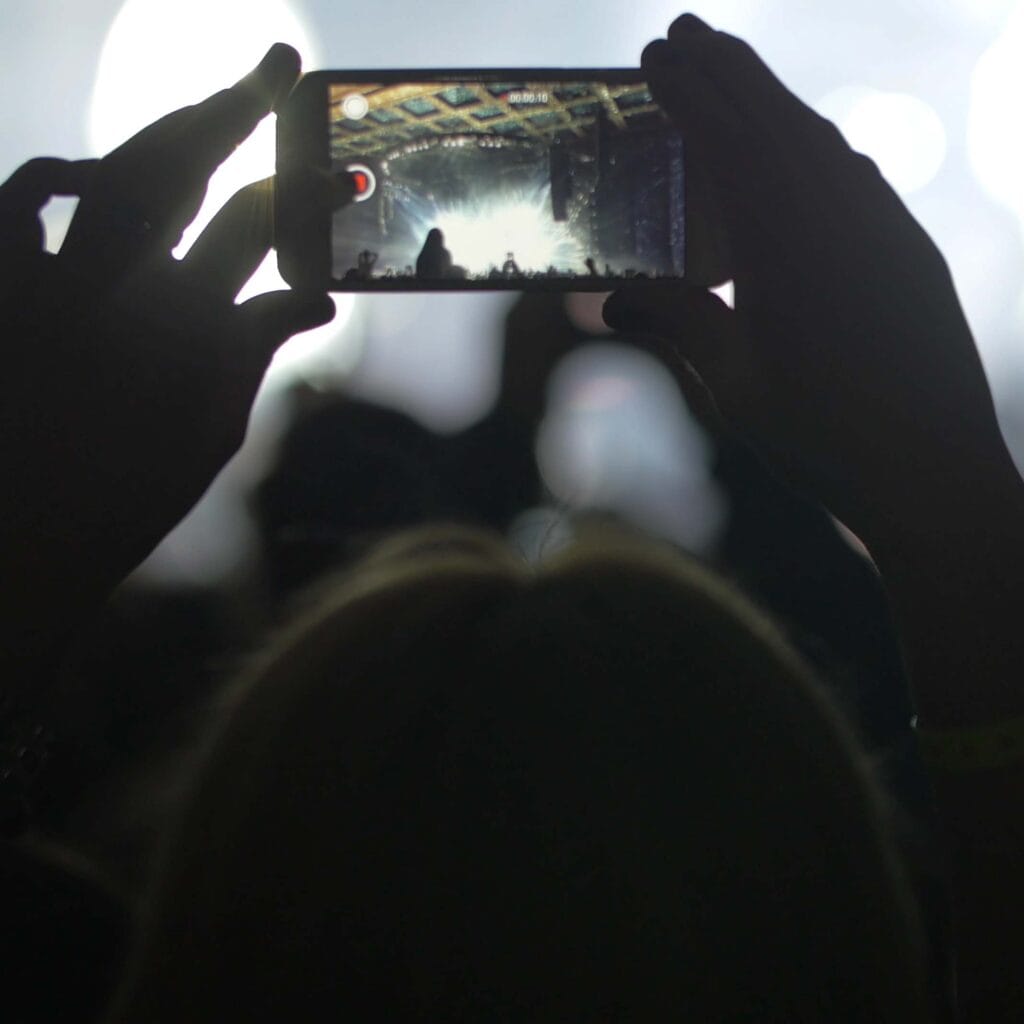
One area where phones are so much better than their bulky counterparts is instant sharing. All phones are connected to the internet and allow the user to share their photos around the world within seconds.
Now, let’s look at the professional camera.
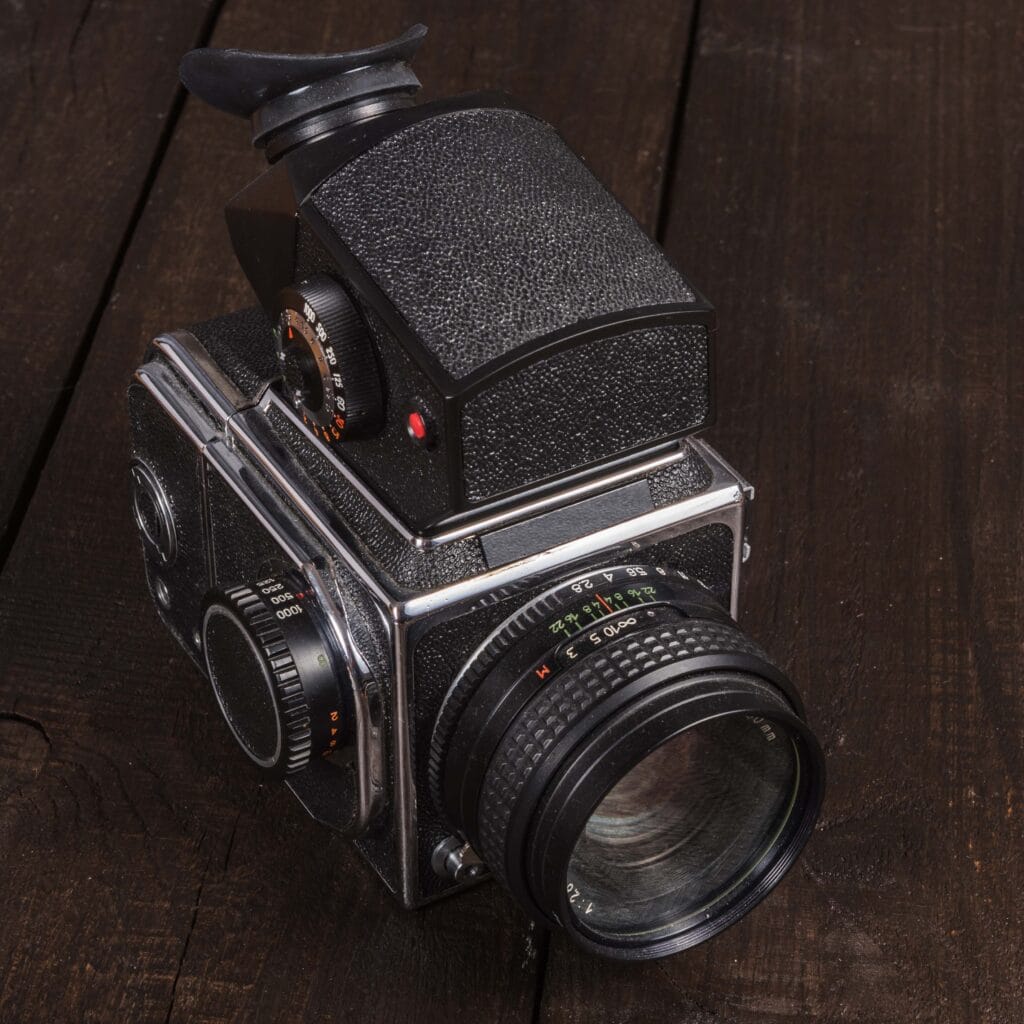
The most significant difference has to be the size of the sensor. This allows more light to be captured and allows for better image quality, with less noise in the image and an increase in dynamic range (the difference between the light and dark areas a sensor can record).
Interchangeable lenses. These allow the photographer to choose the most appropriate lese for the shoot. Maybe a telephoto lens for sports or wildlife, aa wide angle for landscapes. One with a larger aperture for low light situations or shallow depth of field. There are specialist lenses such as macro, fisheye and tilt and shift lenses for specialist fields of photography.
Zoom lenses use optical zoom systems that don’t degrade the image quality in the same way that digital zoom does. These systems just use a small portion of the images, which is then digitally manipulated and enlarged to produce the end result.
For me, one of the major benefits is the ergonomics of these cameras. They have physical dials and buttons to control the most used functions, rather than deep and sometimes confusing menu systems. I have two different models of Canon cameras yet the button and dial layout is identical meaning I can swap between cameras instantly.
Finally (for this blog at least) pro grade cameras can record in the “raw” format, which is an unprocessed file format which offers more options in post processing than the common .jpg format does.
So, in the end it’s down to choice and what suits you and the job in hand the best. In fact, I have used phone cameras on professional assignments where they are the best tool for the job and conversely used my professional cameras on hobby shoot where they were most appropriate.
I hope you have found this blog interesting and if you have any questions, please don’t hesitate to get in touch.